The guys who've been faithfully popping joint supplements every morning for years, chasing joint health the same way they chase everything else past fifty, are still the ones wincing every time they get up from a low chair. I used to be one of those men, shaking a bottle like it owed me something for my aging knees. The question is worth sitting with, because the answer isn't what the supplement aisle wants you to believe.
Here is the thing: most joint pain in men after fifty isn't a parts shortage. It's not that your knees ran out of raw material and need a refill, the way your car needs new brake pads. For a lot of guys, the real issue is quiet, ongoing inflammation sitting inside the joint itself — and no amount of cartilage-building powder fixes that if you're pouring it onto a fire that's already simmering.
The Myth That Keeps Men Buying the Wrong Bottle
We treat our joints like brake pads. The pads wear thin, so you throw more friction material at the problem, right? That is the whole logic behind glucosamine and chondroitin, which have sat on drugstore shelves since our dads were our age. It sounds mechanical and tidy. It is also, for a huge number of men, the wrong starting point.
Your knees are not an empty container waiting to be repaved with powdered shellfish shells. By the time you're fifty-something, there is often a low-grade inflammatory burn going on inside the joint capsule itself. Dumping structural building blocks onto that fire does not build anything. It just gives the fire more to chew on. I learned this the slow way, standing in a pharmacy aisle staring at fifty bottles that all promised the same miracle in different plastic.
Why Glucosamine Alone Didn't Fix My Joint Pain
I gave straight glucosamine-chondroitin tablets an honest shot. My stomach felt a little bloated, my wallet felt lighter, and my knees felt unchanged. The dull scrape I'd get carrying a laundry basket down the basement stairs didn't budge. That is a pattern worth knowing before you spend another month on the same bottle: if your joint tissue is actively irritated, it can't make good use of structural material you're feeding it. You have to cool the engine before you worry about the oil.
Building actual bone and joint stability through consistent movement matters here too — something I got into more when I wrote about the Best Weight Training for Men Over 50 to Maintain Bone Density. But nutritionally, calming the fire comes before adding more fuel.
Does Curcumin Actually Help With Joint Pain?
Curcumin, the compound responsible for turmeric's reputation, is worth a look once you stop chasing cartilage replacement and start paying attention to inflammation instead. But only in a form your body can actually use. Plain turmeric powder in a cheap capsule mostly passes straight through you unused; it needs to be paired with something that helps it absorb, or you're just paying for seasoning in a capsule and calling it medicine.
Undenatured Type II Collagen Works on a Different Principle
The small-dose format works nothing like the mega-scoops of hydrolyzed collagen most bottles push on you. Instead of acting as raw building material, it works with your immune system rather than against your own joints. A capsule that small, doing that much, beats choking down two horse pills any day of the week.
Boswellia Targets a Pathway Most Pain Relievers Skip
Boswellia extract, sometimes labeled frankincense extract, works through a different inflammation pathway than the standard over-the-counter pain relievers most guys default to. That's part of why men whose joints run hot and cranky after a long yard-work Saturday tend to notice it without the stomach irritation that comes with other options.
Skip the Proprietary Blends and the Mega-Doses
I wasted real money figuring this part out. The biggest trap in the supplement aisle is the kitchen-sink proprietary blend — bold silver lettering, "Maximum Triple-Action Flex Formula," twenty ingredients crammed into one bottle. When a label lumps glucosamine, turmeric, MSM, and five herbs into a single blend, you are getting a dusting of each and an effective dose of none.
Plain turmeric powder with no mention of standardized curcuminoids is basically curry seasoning with a markup. And more is not automatically better — stacking unrefined herbs or random plant extracts past the labeled dose tends to irritate your gut rather than help your knees. I follow the dosage on the label now instead of trying to outsmart the people who formulated the thing. A focused regimen beats a flashy all-in-one bottle every time I've put the two side by side.
The Quiet Difference You Only Notice Later
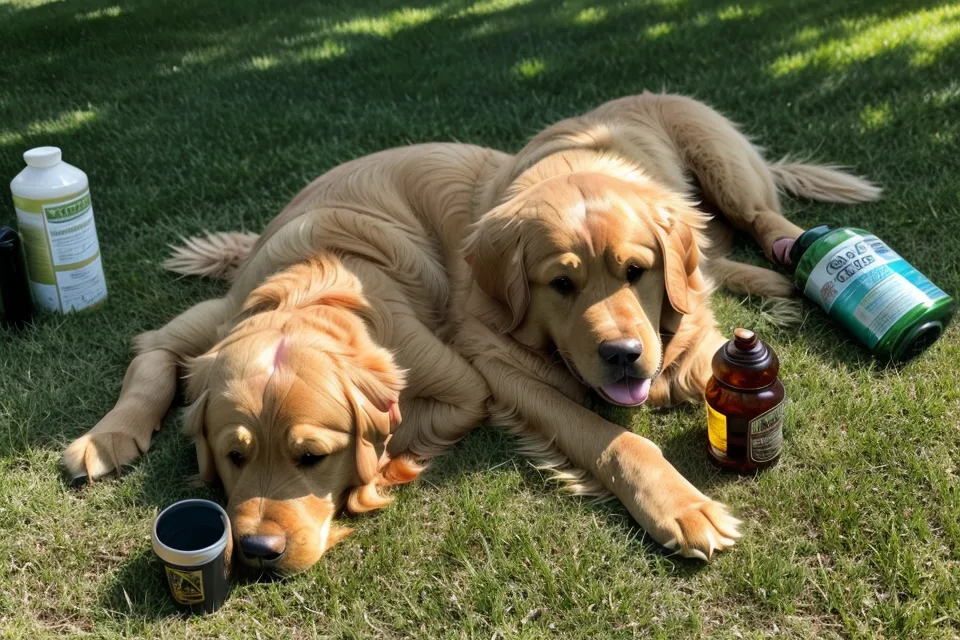
Nobody's joints come back to nineteen-year-old-varsity-athlete condition. Anyone telling you that is selling something, and my golden retriever Max still has more energy at the end of a long walk than I have at the start of one. But when the right combination quietly does its job, you notice it in small moments instead of a dramatic before-and-after.
These days Max and I take the hill two blocks from our house without that little pause I used to do at the bottom, bracing for it before we even started climbing. No ceremony to it. We just walk up. A buddy of mine spends his weekends coaching his kid's youth baseball team, and he asked me recently why I'd stopped complaining about my knees on our walks together. I didn't have a dramatic answer for him. It just quietly stopped being something I thought about.
Bear Creek Trail, out past Morrison, has some steep, loose-gravel stretches that used to mean clenching my quads on every downhill step, waiting for that familiar grinding behind the kneecap. I don't brace through those sections anymore. My stride stays normal, Max bounds ahead at his usual ridiculous pace, and I'm paying attention to the view instead of my joints.
That kind of quiet mobility carries over into grip and hand strength too, which is its own rabbit hole I went down separately in How to Increase Grip Strength After Fifty for Better Daily Function. Staying active past fifty is less about finding one miracle fix and more about stacking a few things that actually hold up — whether that's joint comfort, steadier daily energy like I covered in My FlowForce Max Results After Using These Energy Gummies for Months, or just keeping pace with a dog who refuses to slow down.
Be skeptical of anything promising a full rebuild. Look for inflammation support before cartilage-building claims, skip the kitchen-sink bottles, and give your body room to respond instead of grading it every single morning. No miracle fix. Just steady, boring consistency. And for what it's worth, a too-high dose of over-the-counter melatonin I tried for sleep left me groggier until noon than it ever helped, so I'm not above a failed experiment or two myself. Healthy aging doesn't mean creaking through life in silence.