Sixty days. That's roughly the trial window I gave myself before deciding whether a bladder-support supplement was actually doing something, or whether I just wanted it to be true. I get asked about this one a lot, probably because bladder stuff is one of those men's-health-after-50 topics nobody mentions until they're stepping over the dog in the hallway for the third time in one night, and that dog somehow has more energy at midnight than I've had all year, wondering when my bladder started running my schedule instead of me. So here's a straight, question-by-question supplement review of Prostadine: what it claims, what actually changed, and what I'd skip.
Quick disclosure before we get into it: this post has affiliate links, including ones for Prostadine and a few competitors I'll mention later. If you buy through them, I earn a small commission at no extra cost to you. I'm not a doctor or a medical professional of any kind — just a 52-year-old guy who tests this stuff on himself and pays attention to what actually changes. Talk to your own doctor before you adjust your routine, especially anything involving your bladder or hormones.
What Prostadine Actually Claims to Do for Prostate and Bladder Health
Prostadine is a liquid-drop supplement: one dropper, once a day, mixed into whatever you're already drinking. The pitch is a focused formula built around prostate and urinary support, which sits in the same general territory as Benign Prostatic Hyperplasia — though that's a deeper topic than I'm going to get into here. Before I landed on Prostadine, I went down a pretty deep rabbit hole, including reading up on natural ways to improve sleep quality, since a restless bladder and restless sleep seemed to feed each other. That's how Prostadine ended up on my counter instead of just another bottle I'd try for a week and forget about.
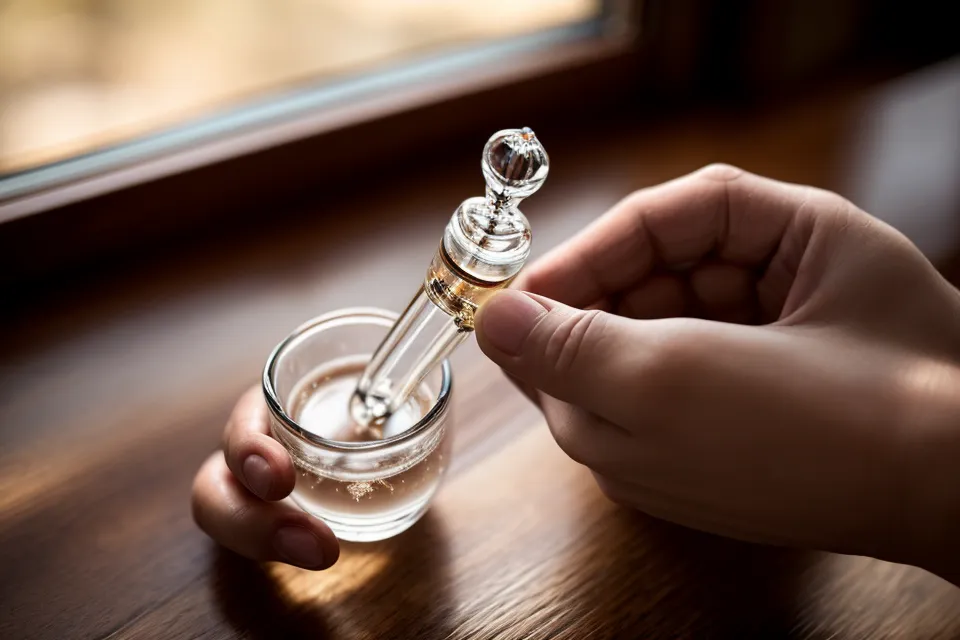
The routine itself is easy enough to keep up with — one full dropper each morning, usually straight into coffee before the dog starts staring at his empty bowl like I've personally wronged him. There's a small, satisfying click when the dropper cap seats back onto the bottle, one of those tiny routine sounds you don't notice you've started listening for. The taste is the honest tradeoff: a slightly metallic, earthy edge that cuts right through a medium roast, and no amount of stirring makes it fully disappear. It's not awful. It's just there.
A buddy of mine who coaches his kid's youth baseball team every weekend swears by cutting caffeine after noon instead of taking anything, and that works fine for him, but it never moved the needle much for me. Everybody's version of this fix looks a little different, which is part of why I test things one at a time instead of overhauling everything at once.
Does It Help With Nighttime Bathroom Trips?
Yes — but the change showed up gradually, not as a single dramatic night. The clearest signal for me wasn't a number on a page; it was walking the dog up the short hill two blocks from the house one morning and realizing halfway up that I hadn't once thought about where the nearest bathroom was. That's the actual marker I'd tell another guy to watch for: not counting trips, just noticing when you stop planning your day around your bladder.
For actual tracking, I keep loose notes for myself, closer to the system in The Up-Twice-A-Night Club than any formal chart. If you want a real method for counting your own trips, that's the better place to start. Here, I'll just say the nights got quieter. Waking up multiple times most nights became the exception instead of the routine, without me needing an alarm to notice the difference.

The One Thing That Didn't Work Before This
Before Prostadine, I tried fixing the sleep side of this with high-dose over-the-counter melatonin, the kind sold in gummy jars with more milligrams than any label really needs. It knocked me out fine. The problem was waking up groggy and useless until almost noon, like I'd revved the engine all night and stalled it in the driveway. That's a rough trade when you've still got a job and a dog who wants his walk at seven sharp.
I dropped the melatonin after a couple of tries and went looking for something that worked with my body instead of just knocking it out cold. That's the honest failure I'd want another guy to hear before he spends money assuming more milligrams automatically means better sleep.
How Long Before You Notice Anything?
Nobody wants to hear "give it time," but that's the honest answer here. The shift wasn't sudden — it felt more like the volume slowly turning down on something that had been loud for a long stretch, a cumulative effect from consistent daily use rather than a switch flipping overnight.
Consistency matters more than people expect. I found this out the annoying way — packed for a few days away and left the bottle sitting on the counter. By the second day, the old pressure was back, which told me the drops were actually doing something behind the scenes rather than just letting me imagine relief.
Prostadine vs. Protoflow, ProstaVive, and FlowForce Max
Prostadine isn't the only option in this category, and I've tested enough of them to have real opinions. Protoflow is the one I'd point most guys toward first — it's got a clean ingredient list with nothing hidden behind a proprietary blend, and the sleep-quality improvement felt a little more noticeable for me personally, backed by a guarantee window that takes some of the risk out of trying it. ProstaVive is the most popular of the group by a wide margin, another liquid-drop format like Prostadine, but it leans on mushroom extracts some guys credit for a general vitality boost rather than bladder-specific relief.

If you can't stand the taste of drops, FlowForce Max solves that on its own — it's a chewable gummy, which feels more like a treat than a chore, though the formula is broader and less focused specifically on bladder support, and gummies generally need more per serving than a capsule or dropper does for the same dose. Prostadine sits in the middle of all this: a focused formula, a dropper format that's genuinely easy to stick with, and a track record that goes back further than most of the newer competitors — though its ingredient list overlaps enough with Protoflow's that picking between the two mostly comes down to format preference.
Is Prostadine Worth the Price and the Wait?
Price is worth an honest word here. Prostadine costs more than the grocery-store saw palmetto bottles I used to see going for around $15, and you're paying for the convenience of the dropper format and a routine that's genuinely easy to travel with, not a rock-bottom price tag. If budget is the deciding factor, it's a harder sell than the cheap stuff on the shelf.
I'm not 25 again, and I still pay attention to how much I drink before an evening out. But I finally stopped talking myself out of a hike on Bear Creek Trail in Morrison because I didn't want to spend the whole drive there thinking about where the next bathroom stop might be. That's the actual return here — not a miracle, just fewer things to plan around.
If you're tired of stepping over the dog in the dark and calling it normal, Prostadine is worth trying for the full return window before you judge it. If sleep is the bigger complaint for you specifically, Protoflow might be the better starting point instead. Either way, don't just accept the "at your age" shrug as the end of the conversation — there's more you can actually do about it.