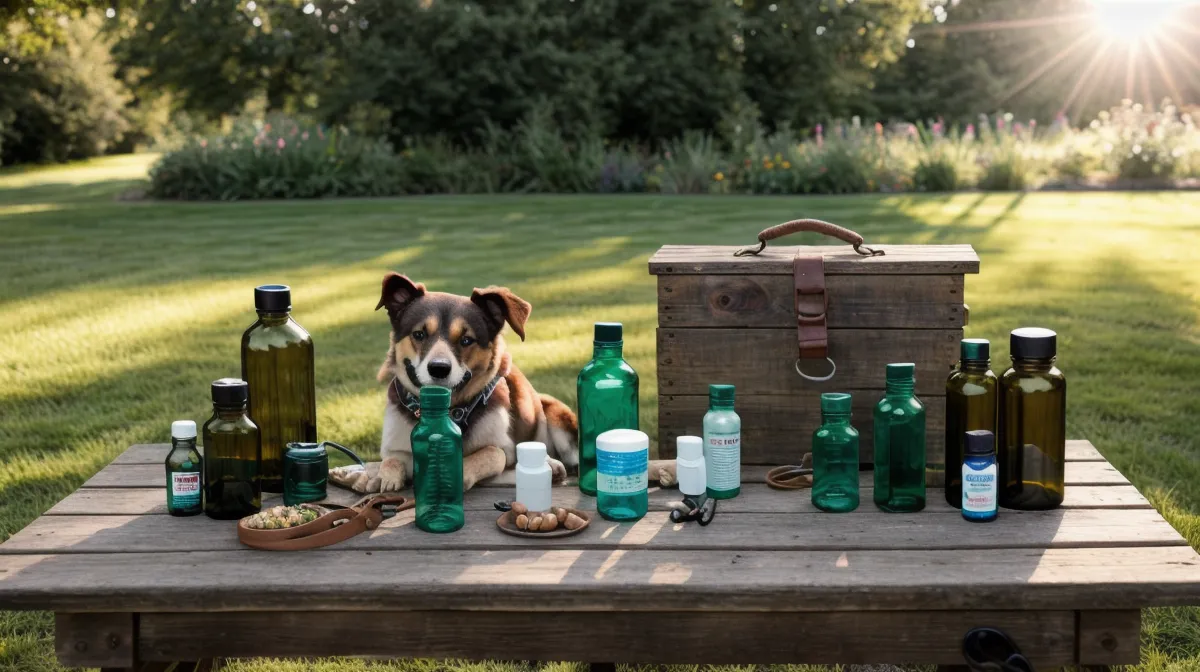
My dog can sprint full speed at a squirrel and come back ready for more. My hand gave out on his leash before he'd made it twenty feet, and that's when it hit me how little grip strength I actually had left. The nylon strap slid right out of my palm, and I stumbled into the grass while he dragged half the yard behind him. Fifty-two years old, and a leash beat me.
A checkup a while back is what really got me thinking about this. My doctor used the phrase "well, at your age" about three times in ten minutes, and hearing it that many times makes you want proof instead of platitudes. Grip strength, it turns out, has quietly become one of the more interesting markers in men's wellness circles — not because anyone needs a bone-crushing handshake, but because weak hands tend to show up alongside weak everything else.
Plenty of what I've tried hasn't worked out nearly as well. Six straight weeks of a hardcore 16:8 intermittent fasting stretch left me foggy by eleven in the morning and did nothing for my strength numbers — just an experiment that fizzled. My neighbor's taken a completely different route, training for a 5K with our neighborhood running club, and more power to him. Everybody's chasing healthy aging their own way; mine just happens to involve a lot more hanging off door frames.
The Grip-Strength Myth That Almost Wrecked My Elbows
Most guys treat a weak grip like a weak bicep — squeeze something hard, squeeze it often, done. That's the whole myth, and it's wrong.
That's exactly the trap I fell into. I drove down to the REI flagship store in downtown Denver and bought a pair of those heavy coiled spring grippers, the kind with thick rubber handles, and started squeezing them at my desk during conference calls. Fifty reps a day, I figured, and my forearms would turn into steel cable.
Four weeks of that got me nothing but angry tendons. Not stronger. Angrier. The inside of both elbows ached, and my fingers felt stiff every morning before I'd even poured coffee. Squeezing against hard resistance, over and over, grinds on tendons that don't bounce back the way they did when we were twenty-five.
Here is the thing: the fix was never more squeezing. It was less, specifically, less dynamic crushing and more isometric holding. Static tension, not repetitive grinding, is what actually rebuilds a durable grip without chewing up the joints around it. That's the myth, busted.
Why a Weak Grip Is Bigger Than a Bad Handshake
Doctors have started treating grip strength as a stand-in for overall muscle health. Part of that comes down to sarcopenia — the slow muscle loss that creeps in as we age — and hands and forearms don't get a pass just because they're small. When your grip fades, it's rarely just your grip.
That's the real case for training grip after fifty. It's not about impressing anyone at a handshake. It's function — the kind of functional fitness that decides whether you can still wrangle a dog leash, haul groceries, or wrench loose a stuck bolt without asking for help.
What Actually Builds Grip Strength After Fifty?
Once I ditched the spring grippers, the routine that replaced them was almost boringly simple: hangs, carries, and pinch holds. Nothing fancy, nothing that needed a gym membership.
If you've got a cranky shoulder or a wrist that's given you trouble, run any of this by a doctor or physical therapist before you start. None of this needs to hurt to work.
Dead Hangs: Doing Less to Get More
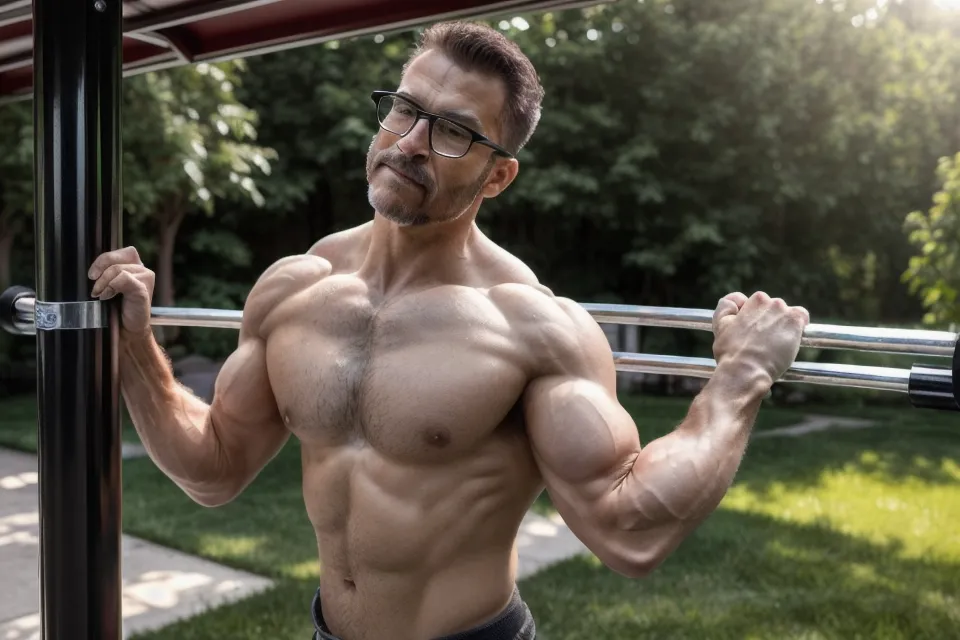
A basic steel pull-up bar mounted above my garage door frame is where this started. The first time I hung from it, I lasted maybe fifteen seconds before my hands gave out, with my dog sitting below watching like I was the least impressive thing he'd seen all week.
Dead hangs are exactly what they sound like: you just hang there. Feet lightly touching the ground takes some weight off your shoulders while you build up tolerance, and from there you work toward hanging at full bodyweight. Three sets of thirty to forty seconds, three times a week, builds serious isometric grip endurance while it stretches out a back that's spent all day hunched over a laptop.
The Farmer's Walk Beats Any Machine
No fancy gym equipment is required for this one. Two moderate dumbbells, twenty-five pounds each to start, or a couple of five-gallon buckets loaded a third full with pea gravel from the hardware store, work just as well. Walk slow laps with your shoulders back, rest a couple minutes, repeat until your forearms feel warm and tight.
The point isn't speed. It's posture and time under tension, and it teaches your grip to work with your hips and core instead of on its own — which is exactly what happens when you're hauling a bag of soil or a loaded toolbox across the yard.
Pinch Grip Is the One Nobody Trains
Crushing grip uses your fingers against your palm. Pinch grip is a different animal entirely — thumb against fingers, no palm involved. Drop a dinner plate or lose your hold on a sheet of plywood, and pinch grip is usually the culprit, not crushing strength.
Twice a week, I'll pinch a weight plate, or two thick books held face to face, between my thumb and fingers and just hold it for time. It sounds almost too simple to matter, right up until you're wrestling a stuck pickle jar lid open with nothing but thumb strength and winning.
How Grip Strength Shows Up Around the House
Hauling forty-pound bags of mulch out of the back of my SUV doesn't end with my hands slipping anymore. Small thing. Noticeable thing.
The real tell came on the drive back from Colorado Springs. My hand wasn't cramping on the wheel, and I never once had to pull over and shake it out.
A seized brass hose coupling that had been stuck tight all winter is what really sold me, though. I twisted it loose by hand without hunting down a pair of channel-lock pliers, which felt like a bigger win than it probably should have. It's the same lesson I landed on writing about Simple Resistance Training for Regular Guys Who Want to Stay Strong — getting older doesn't call for brutal workouts that wreck you for three days. It calls for steady, smart loading that respects the joints you've got left.
Testing Your Progress Without Turning It Into a Project
You don't need clinical gear to know you're making progress, but curiosity got the better of me.
A buddy of mine who works in physical rehab brought over a hand dynamometer to settle the question, and the number I squeezed out landed comfortably past anything that would worry a doctor. What mattered more than the number was how steady my energy felt day to day.
That same habit of paying attention to my own numbers is what sent me down a rabbit hole comparing prostate supplement options a while back, which I wrote up in Prostadine vs Protoflow: Which Supplement is Right for Your Routine?. Once you start tracking how your body actually performs past fifty, you stop assuming slowing down is just the toll you pay for your birthday.
The Real Takeaway on Grip Strength
None of this is about crushing someone's hand when you shake it hello. It's insurance — the kind that keeps your hand closed around a leash when the dog bolts, lets you carry groceries in one trip, and keeps your wrists working through ordinary home repairs instead of aching for days afterward.
Skip the cheap spring gadgets — they're hard on aging tendons and they're not even the right tool for the job. Find a sturdy bar, hang from it a few times a week, carry something heavy across the yard, and let steady, boring strength do the work the squeezing never did.