
Twenty minutes. That is how long it took for both feet to go numb on a flat, boring loop around the reservoir at Chatfield State Park in Littleton last winter — no switchbacks, no real climb, just packed snow and a light headwind. My golden retriever, who appears to run on some kind of internal nuclear reactor, treated the whole thing like a personal cardio class, bounding through drift after drift while I stood there stomping my boots, wondering if my circulation had just quietly retired for the season.
Quick disclosure before we go further: some of the links below are affiliate links, and if you buy through them I earn a small commission at no extra cost to you. I test what I write about here myself, which is why my bathroom counter looks like a pharmacy inventory. Now, about that circulation problem.
My doctor's take did not help much either. At my last checkup he gave me the tilted-head look and said, more or less, that circulation just slows down a bit at my age and I should wear thicker socks. Helpful, except thicker socks were already not working, and golden retrievers do not care one bit about your warranty expiring.
Gear First: What Every Trail Guide Gets Wrong About Circulation
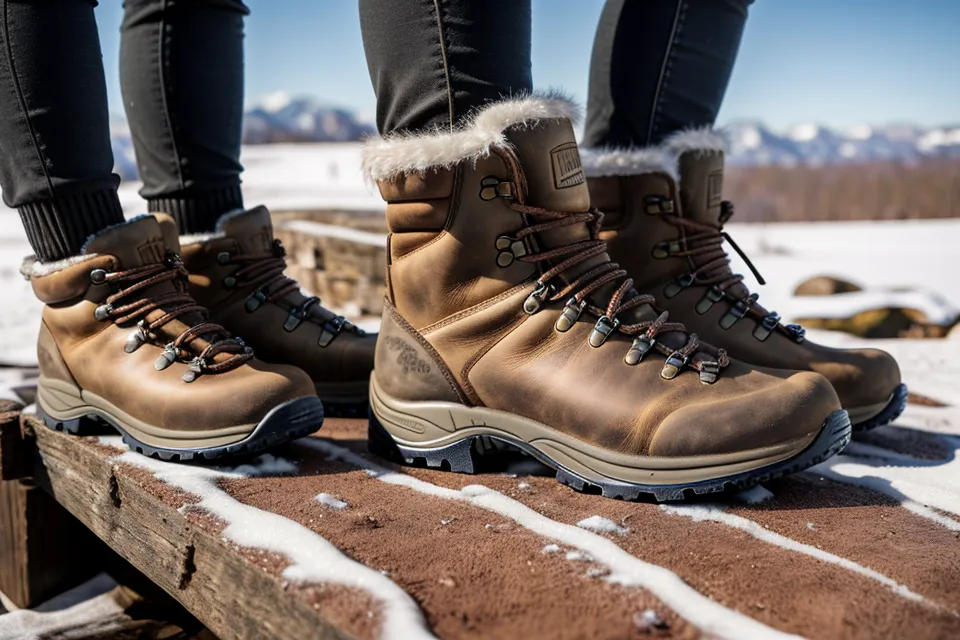
Ask anyone on a hiking forum how to deal with cold feet and you get the same script every time: buy merino wool, grab a waterproof shell, and hike faster so your heart rate does the work. Hike hard enough, the thinking goes, and your blood takes care of the rest.
Here is the thing that advice skips over. Standard tips assume everyone's plumbing works the same way, and it does not. Guys dealing with Raynaud's syndrome or plain age-related vascular tightness can have a heart rate of 140 grinding up a switchback while the small vessels in their toes clamp down regardless. Your chest is working. Your feet never got the memo.
I learned this the expensive way. Battery-heated socks seemed like the obvious fix, so I bought a pair and loaded up for a cold morning. The coils warmed one small patch on top of each foot, my skin sweated inside the liner, the sweat cooled, and by the last mile my toes were colder than they would have been in plain wool. Gear was not the problem. Something underneath the gear was.
Is It the Socks or the Blood Flow Itself?
Earlier that same year I had also gone cold turkey on carbs for a stretch, convinced my sluggishness was purely a diet problem. It made me miserable on the trail and did nothing for the numbness in my feet. That is when it clicked that I was treating a plumbing issue like a wardrobe issue.
If the blood vessels in your legs are not opening up the way they should, no battery pack strapped to your calf is going to fix that. I got into this side of things in my piece on how to improve blood circulation in legs for better morning hikes, and it convinced me gear was never going to solve what was actually a circulation problem.
Weighing Gear Against Internal Support
A reader named Carl, who has zero patience for marketing fluff, wrote in around that time asking the question I had been avoiding: did the socks matter at all, or was the real fix something you take rather than something you wear? Fair question. The honest answer is both, just not equally.
Gear wins on convenience. You can buy wool socks or a shell at any outdoor store this afternoon, no waiting, no subscription, no questions asked. It also wins when the problem really is just wind chill and thin insulation — plenty of guys have perfectly normal circulation and simply need better layers. What gear cannot do is change how your body routes blood once it decides your feet are not a priority.
Internal support is a different trade. It takes real, sustained consistency before you notice anything, it costs more than a bottle off a grocery store shelf, and you cannot just walk into a store and grab more when you run low. What it can do, if it actually works, is address the part gear cannot touch — whether your vessels open up properly once it gets cold, not just how insulated they are after they do.
Finding Protoflow in a Market Full of Vague Promises
Once I accepted this was an internal issue, I fell into the men's circulation supplement rabbit hole, and it is a swampy place to be. Most labels promise you will feel twenty-one again, wrapped in lightning-bolt graphics and a vague proprietary blend that never actually says what is inside. A proprietary blend, in my experience, usually means a pinch of the good stuff and a lot of cheap filler.
Protoflow stood out because it actually lists its ingredients instead of hiding behind a blend name. It is built to support blood flow in men over fifty, as part of a broader over-50 fitness routine, with a secondary nod toward prostate support, and you cannot buy it at a pharmacy or big-box store — you order directly from their site, which took some getting used to. Compared with a similar option I broke down in Prostadine vs Protoflow: Which Supplement is Right for Your Routine?, the ingredient transparency is what tipped it for me.

What Changed Once I Added the Supplement
The honest version: nothing happened on day one or day four, and I was not expecting it to. What I noticed first was not even on the trail — it was sleep. My nights got steadier, less tossing and turning, and that mattered more than I expected, because recovery between hikes depends on actually resting, not just lying in bed with your eyes closed.
On the cold mornings since, my feet have stayed workable instead of numb, even on days when the thermometer sat well under freezing and the loop was all packed snow and ice. If restless nights are part of your own problem, separate from any supplement, I wrote more generally about that in how to fall back asleep after waking up in the middle of the night.
So Which One Should You Actually Buy First?
Here is where I land on gear versus internal support, and it is not as either-or as supplement ads make it sound. Buy the gear first if better socks and a real shell actually get you warm — plenty of cold-weather discomfort is just bad insulation, and there is no reason to spend on a supplement to fix a jacket problem. Look at something like Protoflow only once you have ruled that out: if your feet go numb on a flat, easy trail no matter how many layers you are wearing, that points to the issue sitting underneath the gear, not inside it.
Protoflow is not a miracle, and anyone selling you a bottle like it is one deserves some skepticism. It did not turn me into a guy who loves subzero mornings. What it did was take the numbness out of ordinary winter hikes, which is honestly all I was asking for. It also comes with a 60-day guarantee, so if it does nothing for you, you are not stuck with a cabinet full of unused bottles. Check with your own doctor before adding anything new to your routine, especially if you are already on blood pressure medication, and if cold feet have been quietly wrecking your winter walks as part of your over-50 fitness routine, Protoflow is worth a look before you buy another pair of socks you will not need.