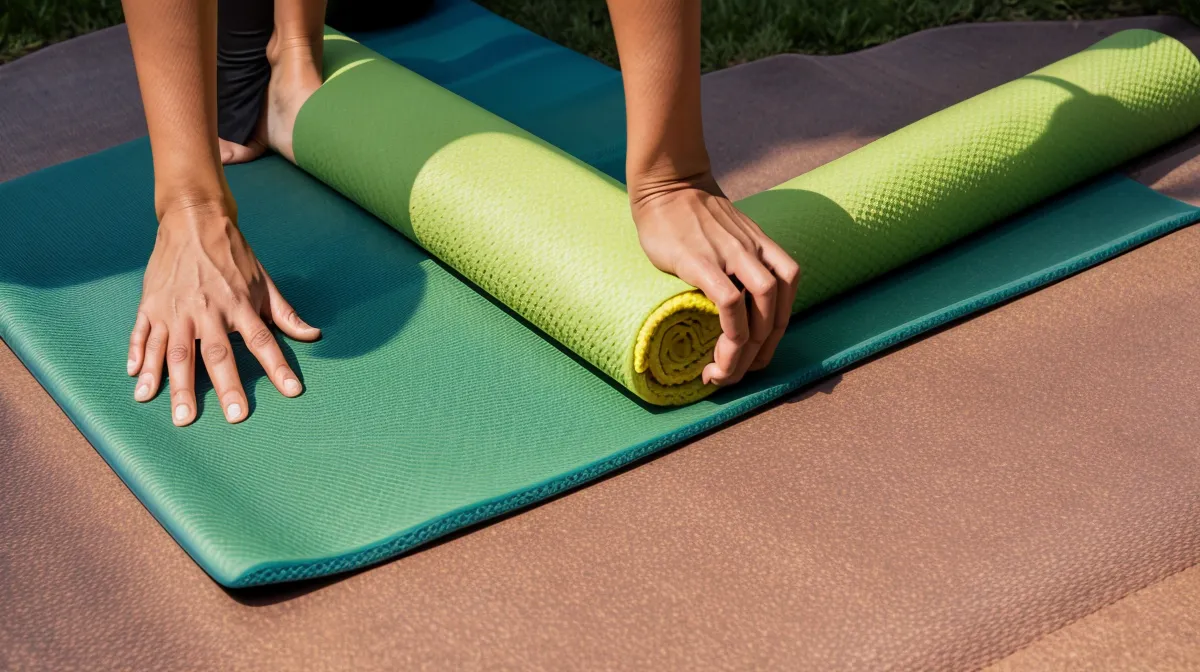
Three poses. That's the entire routine, and it is the difference between me reaching the bottom shelf at the grocery store like a normal person and doing some sad knee-first lunge next to the cereal boxes. This is low impact yoga for men over fifty built specifically around hamstring mobility, not a flexibility contest and not forty minutes of pretzel shapes pulled from a video — just three moves that undo what years of desk chairs and flat sidewalks do to the back of your legs.
My golden retriever burns more energy sniffing one blade of grass in the backyard than I had left in my hamstrings most mornings, and that is a genuinely low bar. Low-impact exercise sounds like a consolation prize until you realize it is the only kind that actually gets done consistently, which matters more than anything fancy you could attempt instead.
Why Tight Hamstrings Wreck More Than Your Hamstrings After Fifty
Here's the thing nobody really explains well: a hamstring that stays locked up does not stay in its own lane. It pulls on your hips, it drags at your lower back, and pretty soon you are the guy wincing every time he bends down to tie a boot. I am not going to walk through the specific muscles or the exact mechanics of it here — that is a deeper rabbit hole than this post needs — but functionally, tight hamstrings and a cranky lower back tend to rent the same apartment.
For what it's worth, I once tried fixing general stiffness with a testosterone-boosting supplement stack, hoping it would loosen things up along with whatever else it was supposed to do. It changed nothing. Not one noticeable thing. A basic yoga mat from the REI flagship store down in Denver turned out to be the far better investment, and it did not require swallowing anything.
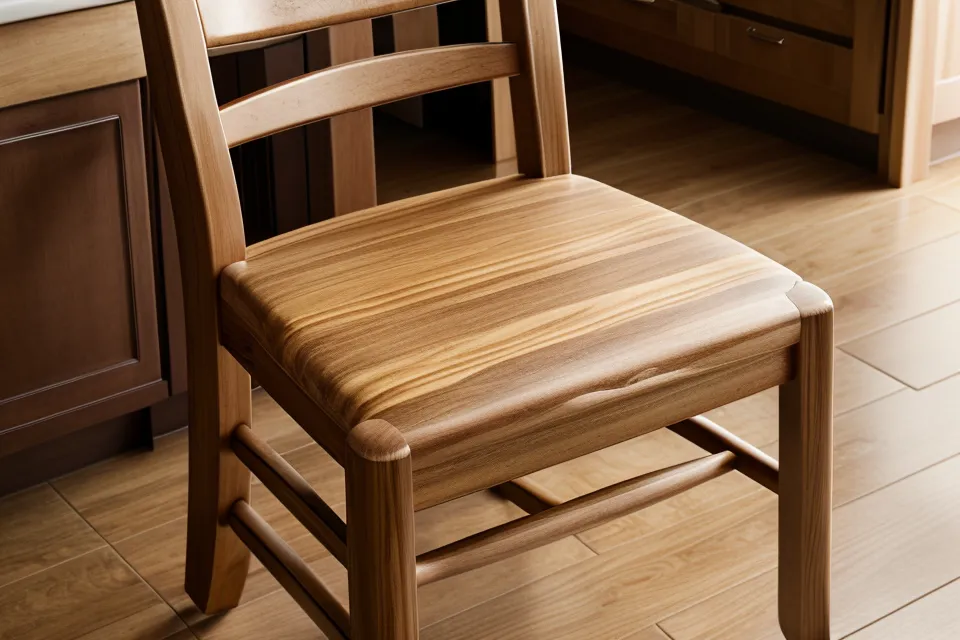
Start With the Supported Chair Fold
Skip the floor entirely for this one. Stand about a foot away from a sturdy kitchen chair, hinge forward at the hips, and rest your forearms on the seat instead of reaching for your toes. Keep a generous bend in your knees the whole time. This is not about touching anything — it is about feeling the muscle engage and then actually let go, without your lower back picking up the slack. Hold it, breathe, and resist the urge to straighten your legs just to prove a point to nobody.
My neighbor Gus caught me doing this in the driveway once and asked, straight-faced, if I had locked myself out of the house. The guy owns three separate coolers and treats it like a defining character trait, so I did not have much room to question his sense of humor that morning.
Move Into the Wall-Assisted Downward Dog
Traditional Downward Dog is rough on the shoulders and the hamstrings at the same time, so skip the full version. Put your hands against a wall at roughly waist height and walk your feet back until your body forms a loose L-shape.

Instead of chasing a deep stretch, keep your knees soft and focus on lengthening the spine. This takes the sharp, guitar-string tension out of the back of the legs completely, while still giving the upper back and shoulders something useful to do.
Finish With the Low Lunge and Active Tension
Drop one knee to the mat, with a towel under it because fifty-year-old knees deserve that much courtesy, and step the other foot forward into a low lunge. Do not just sag into it.
The trick is active tension: pull the front heel and the back knee toward each other as if you are trying to close the gap between them, even though they will not actually move. Working the muscle while it is in that lengthened position, rather than just hanging on it, is what seems to let it actually settle down instead of fighting back.
How Do You Know It's Actually Working?
Forget flexibility goals for a second, because a tape measure will not tell you anything useful here. Use real-life markers instead. Can you put your socks on standing up? Can you load the bottom rack of the dishwasher without your back staging a protest? Can you get out of a low chair without using your hands as a crutch? Those are the actual tests.
These days a two-hour drive down to Colorado Springs and back does not end with a stop on the shoulder to stretch my legs out, which used to happen on practically every trip.
Al from Thursday poker night asked me about this after Gus mentioned it to him, which tells you something about how this stuff actually spreads. Al is not a guy who reads ten product reviews before trying anything — he wanted to know if it worked for someone he actually knows, and that was the only kind of proof that interested him.
What This Routine Isn't Trying to Fix
This is not a general stiffness-and-joints routine for every creaky part of a fifty-something body — that is a separate project for a separate day. It is not a muscle-building plan either, since actually putting mass back on at this age takes a lot more than three yoga poses performed in a living room.
What is going on inside your shoes while you walk the dog on these same tight legs is a separate conversation worth having at some point. Up here at Denver's altitude, plain dehydration can make a muscle feel tighter than it actually is, which is worth ruling out before blaming your hamstrings for everything.
Diet-driven inflammation plays its own role in general stiffness too, and that has nothing to do with any pose described here. Sticking with any ten-minute routine long enough for it to matter is its own challenge as well, one that three good intentions on a Tuesday will not solve by themselves.
Keeping the Routine Honest Over Time
I wrote about the bigger mental shift behind all of this in Turning 52 Hit Different, where the short version is that your body starts asking for a different manual around this age, whether or not you feel ready for it.
What's kept the hamstrings loose has nothing fancier behind it than staying consistent with my routine, which sounds obvious right up until you have actually tried doing it on a Tuesday evening when the couch is sitting right there, fully charged and judging you.
If tight legs are also messing with your sleep, waking you up restless or stiff in the middle of the night, that is worth addressing on its own terms. I have written separately about how to fall back asleep, since a good chunk of the actual repair work on a tight muscle happens while you are unconscious, not while you are holding a pose.
None of this replaces an actual physical therapist if something feels sharp or genuinely wrong — this is a guy on a yoga mat in Centennial who got tired of hearing "well, at your age" at every single checkup, not a medical opinion. For garden-variety tightness, though, three poses and a sturdy kitchen chair have done more for me than anything that ever came in a bottle. Now if only the dog would hold a pose for longer than four seconds, we would really be getting somewhere.