Coffee fixes a slow morning. It does nothing for a dead afternoon. That's the lesson my body kept handing me the year I turned fifty-two, and for a while I just refused to take notes. Workday focus used to be automatic. Now it evaporates somewhere past lunch, and what's left behind isn't normal tiredness. It's an actual energy crash, the kind where a two-line email might as well be written in a different alphabet.
At my last physical, my doctor skimmed my chart and delivered the line every guy over fifty eventually hears: "Well, at your age, your metabolic flexibility shifts a bit, so afternoon fatigue tracks." I wrote up that whole humbling visit in The 'Well, At Your Age' Survival Guide: My Personal Doctor’s Visit Checklist, and knowing it's "normal" didn't change the fact that I still had a job, a mortgage, and a golden retriever who treats five o'clock sharp like the Super Bowl. That dog sleeps something like fourteen hours a day and still out-hustles me at dinnertime. There's a joke in there about who's really the one aging.
Somewhere in the middle of all this I also tried one of those energy-tracking apps — log your sleep, your meals, your mood, let an algorithm diagnose you. I made it eight days before quietly deleting it. Turns out I'll change an actual habit before I'll fill out a nightly form about my own feelings, which says something about me, though we're not here for my character flaws. We're here for what actually moved the needle over roughly three months of paying attention, and the short version is that it wasn't a gadget or a missed checkbox. It was three boring habits, stacked on top of each other.
Coffee Doesn't Fix an Afternoon Energy Crash
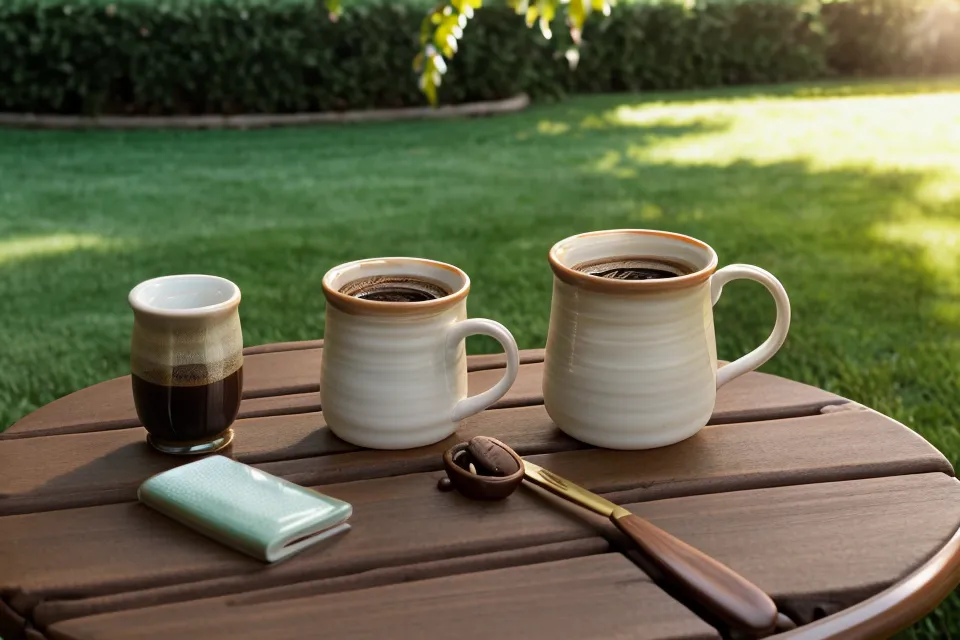
My default fix for the two o'clock fade had always been blunt: more coffee. Two cups got me through the morning, so logic said cup three and four would rescue the afternoon. That held up for years. This past summer it stopped working and started making things worse instead. Twenty minutes of jittery, false alertness, then a crash twice as deep as the one I was trying to dodge, followed by a night spent staring at the ceiling fan with my heart going like I'd just sprinted for a bus.
Caffeine doesn't clear out of your system nearly as fast as four o'clock makes you want to believe — the elimination half-life runs around five hours, which means a two o'clock mug is still partly on duty when you're trying to fall asleep. I'm no chemist and I've got zero medical training, but pouring more fuel into an engine that's already overheating doesn't fix the timing belt. So rule one of the whole stretch was simple: the coffee pot goes cold for me by noon, no exceptions.
Why Does a Strong Morning Wreck the Afternoon?
Every productivity blog on the internet wants you sprinting out of the gate — six priorities knocked out before most people have had breakfast. I ran my mornings like that for two decades: big mug, straight into the hardest task of the day, full throttle by eight-fifteen.
Here's my contrarian take, and nobody asked for it: for a guy past fifty, that aggressive morning peak is often exactly what causes the two o'clock collapse. An old truck doesn't want to be redlined in first gear on a cold morning. You let the oil circulate first. When I forced myself to sprint from eight straight through to lunch, I was spending every bit of mental and metabolic fuel I had before noon even arrived, and the tank showed it by one.
After a few weeks of testing a slower start, I gave the first hour to low-friction stuff — clearing email, sorting the schedule, nothing that needed sharp thinking. Letting focus build instead of forcing a peak didn't cost me any output. It just meant I had something left over for three o'clock instead of running on fumes.
My neighbor Gus — who's coached enough seasons of kids' flag football that he now owns three separate coolers for three separate snack strategies — told me the truck line made more sense to him than anything his own doctor had ever said. Retired guys get to test theories out loud over the fence. I just nodded and kept walking toward my car.
Lunch Decides the Afternoon
At thirty-five, lunch was whatever came out of a bag: a hero sandwich, chips, something fizzy, and I'd walk back to my desk and keep working without blinking. Try that after fifty and you might as well take a tranquilizer dart to the back of the neck.
Biology doesn't ask permission. Your circadian rhythm — what the research calls the circadian alerting system — naturally dips a few hours after you wake, no exceptions for anybody, and a heavy, starchy lunch lands right on top of that dip instead of softening it.
So I didn't go on some grim diet. I rearranged the plate: lean protein, a pile of greens, slower carbs like beans or rice instead of a roll the size of a shoebox. Grilled chicken over spinach, a handful of walnuts, a big glass of water. Boring, sure. But the difference in how my brain behaved between one and four in the afternoon wasn't subtle.
Al, my Thursday-night poker regular, texted me not long ago asking whether swapping lunch really did anything or if I was just making it up as I went. He's never trusted a five-star review from a stranger, but he trusts a guy he's bluffed out of a pot a hundred times, so I told him the honest answer: lunch mattered more than I expected it to.
What Happened on the Cherry Creek Trail
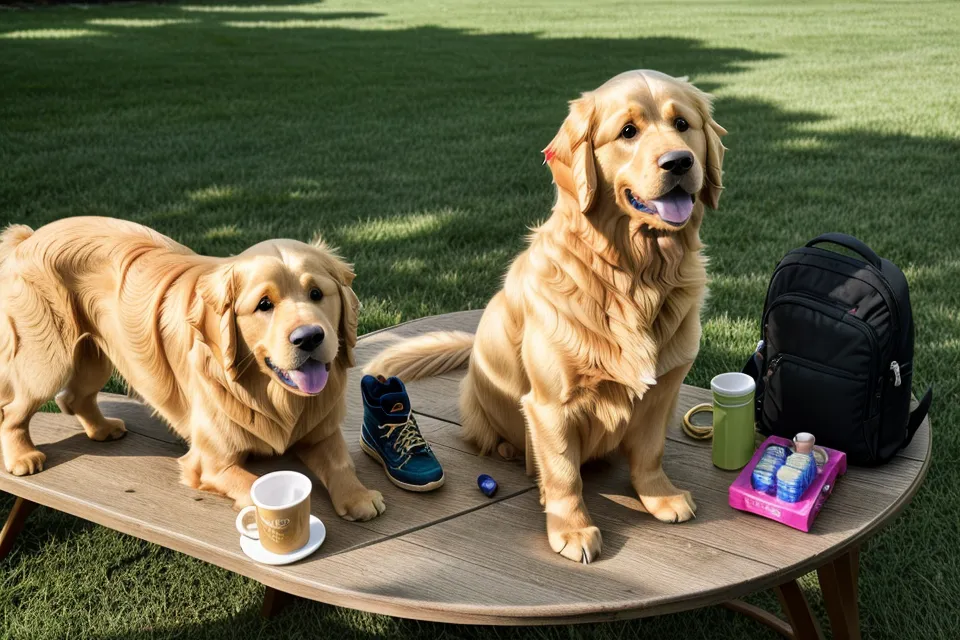
The actual breakthrough didn't come from a pill or a gadget. It came on a sluggish afternoon when my brain had completely clocked out and the dog was parked by my office door, giving me the look that says I am the worst roommate he's ever had.
I work from home three days a week, in a room with a west-facing window that looks out toward the Front Range, scenic in a way, except most days I'm just watching the light shift while I try to finish one more paragraph. His bed is wedged into the corner under my desk, which either means he loves me or just likes being underfoot. Instead of shuffling to the kitchen to stare into the fridge like usual, I grabbed the leash and walked out the door, down toward a stretch of the Cherry Creek Trail a few blocks off.
It wasn't exercise. Ten minutes, easy pace, sun on the water where the trail runs along the creek. But when I sat back down, the fog had actually cleared. Eyes didn't sting, the cursor wasn't mocking me anymore. Movement does something caffeine can't fake; it gets blood moving out of your gut and back into your muscles and your head, though I won't pretend to know the full mechanism. I just know it worked often enough that I stopped questioning it.
By around week eight of doing this on repeat, something shifted that had nothing to do with afternoons at all. I woke up on my own at 6:30 one morning, no alarm, and lay there a second before placing what felt different. I didn't feel like a cold truck that needed ten minutes of idling before it could merge onto the highway. That's the moment I actually believed the whole experiment, more than any app ever convinced me with eight days of logged data before I gave up on it.
Now the walk happens every day without fail, no excuses for weather or deadlines. In the office, it's three flights of stairs or a couple of laps around the lot instead of the trail. People probably think I'm pacing out an important call. I'm just keeping myself awake.
Building a Routine That Actually Sticks
If you're fighting to keep your eyes open past lunch after fifty, stop hunting for a miracle pill and stop beating yourself up over it. I broke down exactly which supplements and habits turned out to be a waste of money versus what actually helped in My Afternoon Slump Solution: What Actually Moved the Needle After 50, but most of the real fix is boring mechanics, repeated on purpose.
Cap the caffeine before midday and respect how long it actually lingers — switch to decaf, peppermint tea, or plain water with lemon if you want something warm later on. Give your mornings a steady pace instead of redlining before nine and expecting your brain to coast peacefully through the rest of the day. Keep lunch anchored in protein, healthy fats, and fiber, and save the heavy pasta for a Friday night when crashing on the couch is actually the goal. Take the short walk after lunch no matter what — rain, deadlines, whatever's on the calendar — and let your heart rate climb just slightly above resting. And drink water like you live somewhere dry, because living at altitude taught me that mild dehydration dresses itself up as crushing fatigue; have a full glass before lunch, not after you're already parched.
Look — I'm just a regular guy trying to do honest work, enjoy his evenings, and still have enough left over to throw a ball for a dog who apparently never runs out. Getting older changes plenty of rules, but it doesn't mean handing your afternoons over to a fog you can't think through. If your exhaustion runs deeper than an ordinary slump, talk to your own doctor — there can be real things worth ruling out. But if it's just the regular fifty-plus fade, the one thing I'd tell any guy to actually try first is the walk. Not the diet, not the coffee cutoff — just ten minutes outside right after lunch. Everything else helped some. That's the one thing that never once failed to work.