
You've probably caught yourself mentally checking whether you're actually running low on something, or just running on fumes from another long week at work. That question trails a lot of guys over fifty around without ever getting a real answer. Low testosterone symptoms and plain old work fatigue can look almost identical from the outside, which is exactly why so many men never bother sorting out which one they're actually dealing with.
Quick disclosure before we get further into this — a couple of affiliate links show up below. Click one and buy something, and I earn a small commission at no extra cost to you. I only mention products I've actually tried myself, not ones I read about secondhand.
The myth going around — online, and from more than one guy at the gym — is that real low testosterone always announces itself. Total lack of motivation. Zero interest in anything. The whole dramatic package. If you're still showing up to work and getting through your list like a functioning adult, it must "just be stress." That kind of thinking kept me from paying attention longer than I'd like to admit.
Why Does Everyone Assume It's Just The Job?
Testosterone gets blamed for everything or dismissed entirely depending on who you ask, and almost nobody explains why a real dip and a rough quarter at work produce such a similar list of complaints. Both leave you short on motivation. Both make the gym feel optional. Both turn your patience into a rounding error by evening. The overlap is real, and it's exactly why "just chalk it up to the job" becomes the default answer for so many of us — the hormonal side is invisible until you actually check it, and nobody wants to book an appointment over feeling tired.

Here's a way to think about it that has nothing to do with lab numbers: a dead battery and an empty gas tank both leave your truck refusing to start. Looks identical from the driver's seat. You only find out which one it actually is by checking, not by guessing harder based on how tired you feel about checking in the first place. Guys treat their own fatigue like a mystery they're too busy to solve, and that habit — never checking at all — is the actual myth worth correcting here.
Low Testosterone Symptoms vs. Work Fatigue: What Actually Separates Them
One pattern I've noticed, and heard from other guys too: work fatigue generally answers to rest. A real weekend — no laptop, no email, actual sleep — puts a dent in it. If sleep's already the weak link for you, fixing that alone is worth trying before anything else; I put together some natural ways to improve sleep quality for men over 50 that made more difference for me early on than any supplement did. Hormonal fatigue tends to shrug rest off regardless. You come back from two full days of doing nothing and you're still running on the same low battery you left with.
Muscle and strength respond differently too, in a way that has nothing to do with willpower. Work stress makes you skip the gym. A hormonal issue makes the gym feel pointless even on the days you do show up — the effort's the same, the results aren't, and that's a different problem than just being busy.
Cognitive stuff splits the same way. Everybody gets foggy after a bad stretch at the office. But if the fog doesn't lift on vacation, if you're still losing your train of thought three sentences in even when nothing's actually stressing you out that week, that's worth paying attention to instead of blaming your inbox.
Where My Own Discipline Let Me Down
My own first move was to out-discipline the problem, which is a very guy way to handle things. I started waking up before five to run before work — trails out at Chatfield State Park in Littleton, headlamp on, water bottle cold against my palm in the dark before the day had any heat in it at all. Three weeks in, both knees were done. I hadn't fixed the fatigue. I'd just added a new injury to track alongside it.
That's around when a guy I used to work with years back, Doug Calloway, started sending me podcast episodes at six in the morning without so much as a "good morning" first. Doug's retired now, but he still forwards me anything related to getting older, unprompted, usually before I've had coffee. He'd gone through the same "is it me or is it the job" spiral around the same time I did, and hearing that he'd asked himself the identical question made the whole thing feel less like a personal failure and more like a pattern worth actually investigating.
Testing Protoflow Without Betting the Farm on It
Once I stopped trying to run my way out of it, I looked at what else was actually reasonable to try. Protoflow came up more than once in guy-focused corners of the internet. What got my attention wasn't some "ten days to shredded" promise — it's built around blood flow and everyday vitality, which felt like the right level of ambition for a guy who just wants to make it through a workday without fading by mid-afternoon. The ingredient list is clean too, no proprietary blend hiding what's actually in the capsule, and I like knowing what I'm putting in my body at this point in life.

It's not sold through Amazon or any retail shelf, only direct, which took some getting used to. It also comes with a 60-day guarantee, which mattered more to me than any marketing claim would have — a company willing to back a refund window that long isn't counting on you forgetting to ask. It's not cheap next to the grocery store stuff, and it's not an overnight fix either. Patience is part of the deal.
For guys who'd rather skip another pill, ProstaVive is the liquid alternative some guys in my circle mention — drops instead of capsules, which is worth knowing if your morning routine already involves choking down enough tablets to rattle. It hasn't become my main pick, but it's a reasonable swap if capsules aren't your thing.
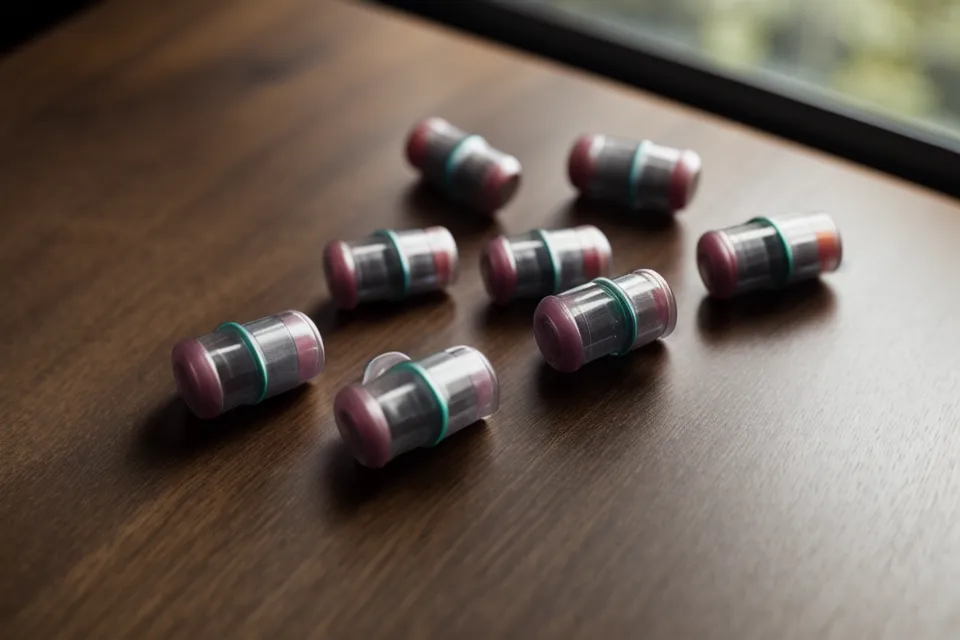
Somewhere in the middle of all this experimenting, I noticed something small that stuck with me more than any energy number could. I made it through an entire movie one night without getting up once — no bathroom break, no pausing it, and I actually remembered how it ended the next morning instead of admitting I'd zoned out halfway through. Small thing. Felt like a genuine data point instead of wishful thinking. My metabolism even felt less like it was dragging through the afternoon, which I hadn't expected from anything short of cutting out food entirely.

Rest Either Fixes It Or It Doesn't
A reader named Pete Dunmore emailed me a while back — runs a landscaping crew outside Boulder, deals with plenty of his own physical strain from the job — and asked me flat out to skip the jargon and just tell him how to know the difference. Fair request. Pete doesn't want a lecture, he wants a rule he can actually use, and that's probably true for most guys reading this too.
So here's the rule: if a genuine weekend off — real rest, not just fewer meetings — brings you most of the way back, it's probably the job, and no supplement outperforms actual recovery. If you're still flat after doing everything right on the rest side, if your energy feels like it's dragging even when your diet and sleep haven't changed, that's the signal to stop guessing and get actual numbers from a doctor instead of a podcast. I went through my own cabinet with that same logic, and the rundown of what stayed and what got tossed is there if you want the specifics.
None of this makes getting older simple, and nobody hands you a manual for any of it. My dog still has more energy than I do most Tuesdays, and I've made peace with losing that particular race. What I can control is whether I keep guessing or actually start checking — trying Protoflow was part of that for me, not a miracle, just one piece of paying attention instead of blaming the job for everything. Rest first. Check the numbers if rest doesn't work. Skip the guessing in between.