
A cold bedroom did more for my sleep than every pill, patch, and gummy combined — that's the short version of this bedroom setup experiment, if you want to skip ahead. What follows is the sleep hygiene stuff that actually worked for a guy over fifty, and the stuff that just burned money and pride along the way.
My doctor opened a routine checkup a while back by saying "well, at your age" three times in about ten minutes, like he was testing how many ways he could say it before I flinched. It's the medical version of a mechanic calling your car "vintage," polite but you get the message. He had a few suggestions for the sleep problem, most of them involving a prescription pad. I wasn't ready to start a relationship with a pill bottle, so I asked for a few weeks to see what I could fix around the mattress before touching the chemistry.
Turning the bedroom into a small experiment felt more doable than an overhaul of my whole diet or another trip to a specialist. I'm no biohacker. I don't own a hyperbaric chamber or track my glucose for fun, just a guy over fifty trying to stop waking up feeling like he'd lost a fight. Once I stopped overthinking supplements and started looking at the actual room, some of it stuck.
A Cold Room Beat Every Supplement I Tried
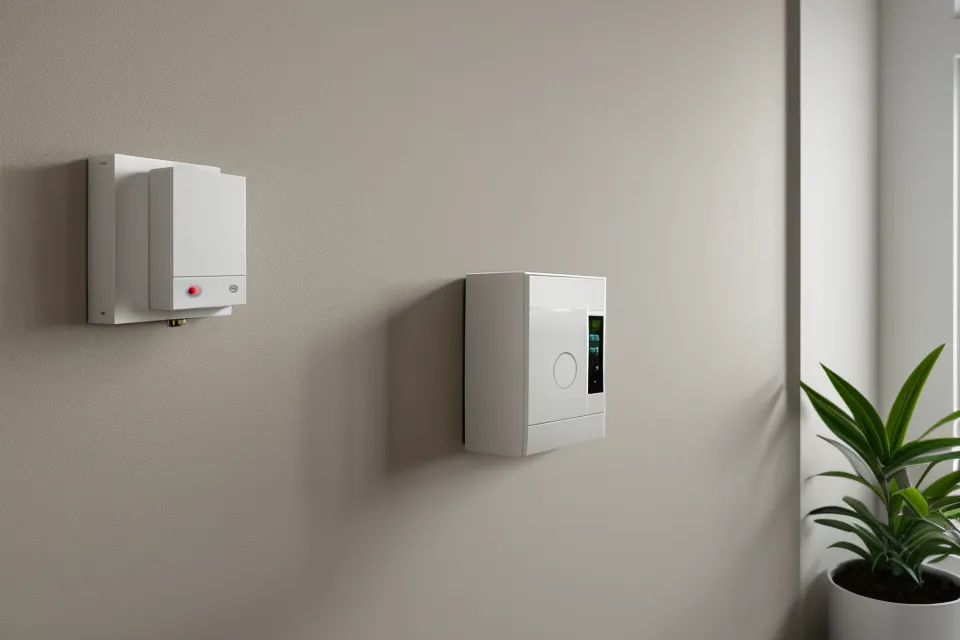
Temperature turned out to be the first real lever. My wife and I had been quietly fighting over the thermostat for years — I run cold, she runs somewhere closer to a greenhouse. Reading around, the sleep hygiene crowd keeps landing on a number in the mid-60s Fahrenheit as the sweet spot, and there's a decent rundown of why on the ideal sleep temperature page if you want the long version. I made my case, we settled on 65, and I bought her a heavier blanket so she wouldn't stage a rebellion.
Before the thermostat truce, I'd already tried fixing this with melatonin—the over-the-counter kind, picked up during a supply run to the Costco in Littleton, and not exactly a modest dose. It worked, in the sense that it knocked me flat, but I'd wake up groggy well past noon most days, dragging through the morning like I'd crossed six time zones without leaving the house. That's when it clicked that the pill wasn't solving anything. It was just sedating the problem. The room was doing the actual work.
It's a bit like tuning an old engine. If the environment's off, it doesn't matter how good the fuel is. Keeping the air moving helped too, and I noticed my hands and feet ran cold under the new setup at first, which says more about circulation shifting after fifty than about the thermostat itself. We already had a ceiling fan, and I added a small air purifier mostly for the white noise, though it does a reasonable job clearing out whatever drifts in when wildfire smoke rolls toward the suburbs most summers. My golden retriever, for what it's worth, sleeps through all of it like a rock with a pulse. That dog's got more energy at six in the morning than I've had since my thirties, so it's not like the air quality's holding him back.
Total Blackout and Sleep Quality
Blue light gets blamed for everything these days, and there's something to it. Tricking your brain into thinking it's still daytime is a real mechanism, even if I won't pretend to know the exact science behind it. I used to scroll right up until my eyes closed, usually looking at nothing more important than my dog's Instagram account, which somehow has more followers than mine. Moving my phone to the kitchen at a fixed time each evening, no exceptions, cut that habit out fast.
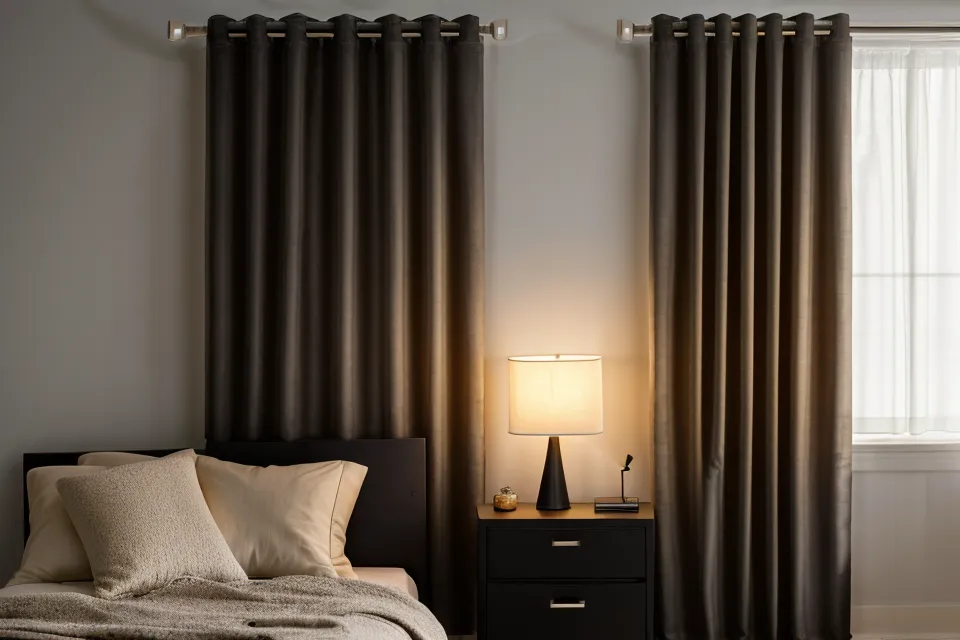
Most sleep advice pushes total blackout: heavy shades, every stray LED taped over, the whole cave routine. I tried it for a stretch. It backfired: total darkness made my heart rate spike instead of settling down, and at my age the midnight walk to the bathroom is a real thing, not a hypothetical. Stumbling into a seventy-pound dog in pitch black is how a guy ends up in urgent care instead of back asleep.
A dim, warm-toned light in the hallway solved more than the blackout ever did. Knowing where the dog is and where the door is turns out to matter more than pure darkness. Melatonin shifts as we get older in ways I won't pretend to fully understand, but the color of the light seems to matter more than the absence of it. Warm and dim doesn't jolt me awake, it just keeps me from stubbing a toe.
The Room Isn't Always Why You're Awake
Somewhere along the way my internal clock started shifting earlier, the way it apparently does for a lot of guys past fifty. Wanting to be in bed by 9:30 felt like defeat the first few weeks — like I'd turned into my grandfather overnight. Fighting that instinct just meant more time staring at the ceiling fan at three in the morning, so I stopped fighting it.
Waking up isn't only about temperature or light, either. Some nights it was my joints complaining, or a heavy dinner sitting wrong, and no amount of cool air was going to fix either one. I ended up writing separately about Best Anti Inflammatory Foods for Men Dealing With Joint Stiffness, because comfort in bed turns out to be half the battle — if your knees are barking, you're waking up regardless of what the thermostat says.
Bathroom trips deserve honest mention too, if only because they undo everything else on this list in about four seconds flat. I looked into what actually helps there separately — The Late-Night Bathroom Walks: What I Learned About Prostate Supplements After a Few Months covers that side of it — because the best mattress in the world doesn't matter if your body sets its own 2 a.m. alarm.
A buddy of mine spends his weekends coaching his kid's youth baseball team, standing around in the sun for hours, hauling equipment bags, running the bases himself when nobody else will. He says the real difference between fifty and thirty-five isn't whether he can still do it — it's whether he can get out of bed the next morning without a full inventory of complaints. Sleep, more than anything else either of us has tried, seems to be what decides that inventory.
It also got me wondering how much of my earlier fatigue was just bad sleep dressed up as something else. Energy and hormones are tangled together more than I expected, which is part of why I went looking into signs of low testosterone in men over 50 to watch for afterward — not because I diagnosed myself off one search, but because it's worth ruling things out in order instead of guessing. Whatever's happening with my metabolism these days, the sluggishness that used to feel baked into my forties has thinned out some, and my head stays clearer through the afternoon instead of clouding up by two.
Three Things, Not Twenty: My Whole Bedroom Setup

None of this turned into a twenty-step protocol, which honestly surprised me. Once I started keeping rough track of what changed and when, the pattern got obvious: set the room to 65, move the phone to the kitchen, make sure the dog's settled before the lights go off. That's it. No app, no gadget stack, just three habits that stuck because they were simple enough to actually keep doing.
By around the twelfth week of sticking with it, the change wasn't dramatic so much as it was just consistent — fewer nights of ceiling-staring, more mornings where I didn't feel like I'd been in a fight. The moment that actually convinced me something had shifted wasn't about sleep at all: I buttoned my jeans before Thanksgiving dinner without holding my breath or turning sideways, which had nothing to do with willpower and everything to do with finally sleeping like an adult again.
Mornings look almost boring now. Vitamins first, in whatever order they're sitting in — there's a small plastic click when the last cap seats back down, and that little sound has become the unofficial signal that the day's actually started instead of just begun. It's a small thing, but small things are apparently what fifty-plus sleep comes down to.
If there's one thing worth taking from all this, it's that the fix isn't always chemical. Before reaching for another bottle, it's worth checking the boring stuff first — the thermostat, the light bulbs, where the phone spends the night. Nobody hands a guy a manual for any of this once he crosses fifty, but the bedroom, it turns out, is one of the few chapters you can write yourself without needing a prescription.