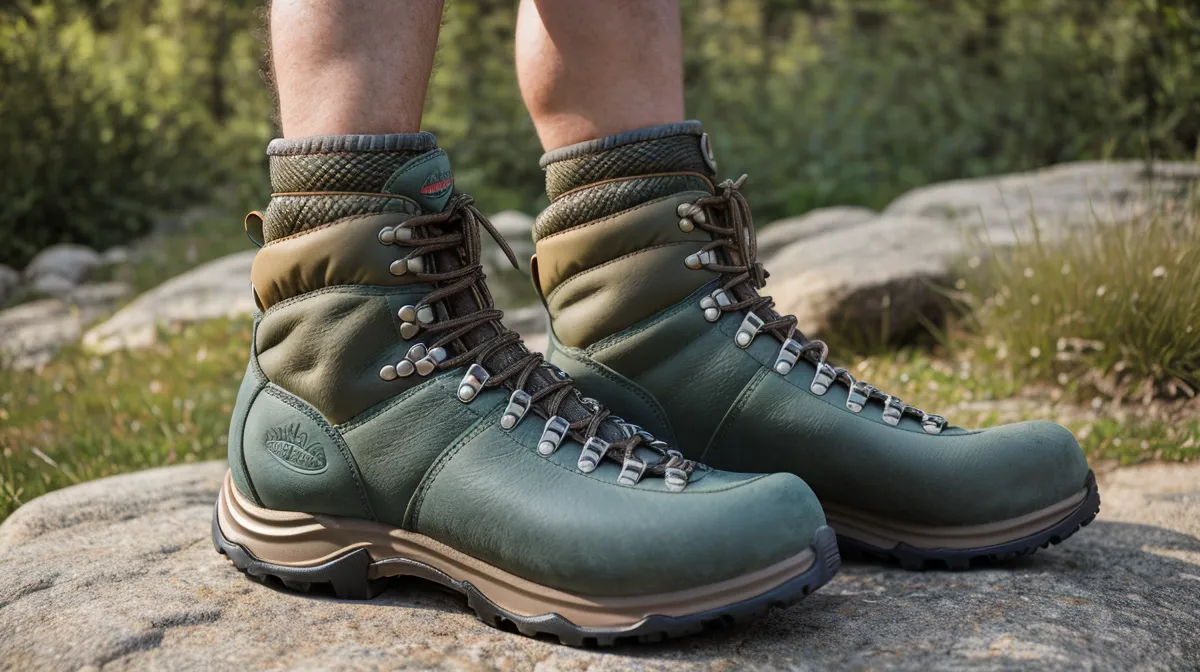
My left knee cracks like a knuckle on the downhill switchback where Cherry Creek Trail bends toward the water, and my golden retriever doesn't even glance back — she's already forty yards ahead, nose down in something she shouldn't be sniffing. That crack is why I started digging into knee health and hiking gear for men over 50, instead of just popping ibuprofen and hoping. Ignoring a joint that talks back to you on loose gravel is how a guy quietly stops doing the parts of getting older he looked forward to, and joint support stops feeling optional once that becomes a pattern.
Quick disclosure before we go further — this post has affiliate links in it. Click through and buy something, and I get a small commission at no extra cost to you. I only bring up products I've actually tried on the trail or in my own mudroom, nothing I haven't put hands on.
None of what follows comes from a medical degree — I don't have one, and neither does the guy at the trailhead who sells homemade walking sticks out of his truck bed. I'm just a 52-year-old in the Denver suburbs whose doctor worked the phrase "well, at your age" into a checkup so many times I finally started paying attention. So this is a rundown of what actually held up on rocky ground, not a lecture.
Rocky Trails Hit a 50-Plus Knee Differently
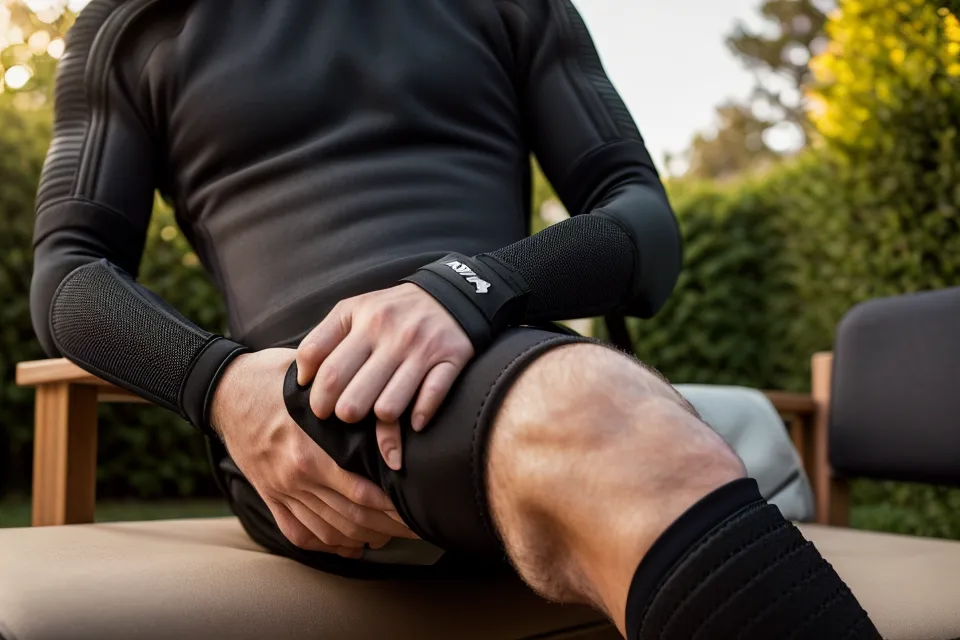
Cherry Creek Trail isn't technical by mountain standards, but the loose gravel sections do something specific to an older knee: every downhill step turns into a small, repeated jolt to the patellofemoral joint, the part behind the kneecap that takes the brunt of a controlled fall disguised as walking. That ache used to show up the next morning. These days it waits until I'm driving home with the heater blasting on my legs, and then it announces itself like it's been sitting in traffic all day. That's the same issue I got into when I wrote about how morning hikes in Denver feel harder now than they used to — the knee brace question is really just the gear side of the same problem.
I ran two extremes against each other: a bargain 3mm neoprene sleeve from the drugstore and a heavy hinged brace built like it belonged on a linebacker. The thin sleeve kept my knee warm and did nothing else — on loose rock it was like bringing a butter knife to a job that needed a multitool. The hinged brace felt like armor right up until the temperature climbed and it started bunching up behind my knee on every step. Neither one replaces actual joint mobility work, either — stretching and strength are a separate project, but a brace can't fake what your hips and hamstrings owe your knee.
How Knee Braces Affect Your Balance on Rocky Ground
Here's the thing most gear reviews skip entirely: if you've got any numbness or that "fuzzy" feeling in your feet, a rigid brace can work against you. That kind of numbness is often more of a circulation and nerve story than a knee problem on its own, and strapping a stiff frame over the joint cuts down the sensory feedback you get from the ground under you. On a sidewalk, that barely matters. On a rock garden on Cherry Creek Trail, your brain needs to know exactly where your foot is landing, and a rigid hinge can quietly take that information away right when you need it most.
Talk to your own doctor or a physical therapist if you're already unsteady on uneven ground, especially before locking a rigid brace onto a joint that's supposed to bend and adjust with every step. For me, the answer wasn't the most expensive or the most rigid option. It was a compression brace with flexible lateral stabilizers — enough structure to take some load off the joint without turning my leg into a stilt.
Rigid Hinge vs. Compression Sleeve on Loose Rock
A neighbor of mine — he spends his weekends coaching his kid's youth baseball team — asked me exactly this after his knee started acting up on a hike: rigid hinge or compression sleeve? Here's the line I'd draw. Reach for a rigid hinged brace only if a doctor has flagged real ligament instability or you're recovering from something surgical, because that's the situation a hinge is actually built for. For everyday rocky-trail hiking with garden-variety, over-50 knee soreness, a compression sleeve with side stays does more good, because it supports the joint without stealing the ground-feel your feet need on uneven terrain. Weak quads do more damage over a season than a missing brace ever will, and that's a muscle-mass problem, not a gear problem — no sleeve or hinge fixes that part for you.
When My Wrap-Around Brace Failed on a Wet Trail
One damp morning on Cherry Creek Trail, mist still sitting low over the water, I had a mid-range wrap-around brace on that I'd been liking well enough. I stepped over a wet log, the Velcro caught on a branch, and the whole strap slid down to my ankle. I spent the next stretch of the hike walking back to the car with a soggy brace bunched around my ankle like a hobble, because the Velcro wouldn't grip again once it picked up a little mud. Pull-on sleeves beat wrap-arounds for actual trail use, full stop — Velcro and wet conditions do not get along.
Recovery Matters As Much As the Brace
Gear only solves half of this. The other half is recovery, and I learned that the hard way after trying a high-dose over-the-counter melatonin to fix my sleep — it knocked me out fine, but I was groggy until noon most days, which isn't exactly a trade worth making. Sleep is where a joint actually repairs itself from a hard descent, and if you're getting up two or three times a night, your knees never get the uninterrupted stretch of rest they need to calm back down.
Lately I catch myself waking up around six-thirty without an alarm, and without that stiff, hauled-off-a-truck feeling in my legs — small thing, but it's the clearest sign my knees actually recovered overnight instead of just going numb until I got moving. That shift didn't come from the brace. It came from paying attention to blood flow and sleep quality instead of only the hardware strapped to my leg.
Around that time I started paying closer attention to what was actually in the recovery products in my medicine cabinet, instead of trusting whatever the label promised — reading ingredient lists instead of marketing copy is its own skill nobody teaches you. I've folded Protoflow into that mix lately, and the first thing I noticed wasn't dramatic, it was just steadier sleep, which matters more for a hiking knee than people give it credit for. It's got a clean ingredient list without a proprietary blend hiding what's actually in the capsule, and the 60-day guarantee took some of the risk out of trying something new.
I also keep a bottle of ProstaVive around for long days on the trail — it's a liquid formula, which is a nice break from swallowing another capsule with your coffee, and it leans on mushroom extracts for general vitality rather than a single-ingredient approach. The taste takes some getting used to, and a single bottle isn't cheap, so I'd only recommend it if you're ready to commit past one order. If sleep and an aging bladder are fighting each other in your house too, I wrote more about getting better sleep when your dog and your bladder disagree, and it connects back to this recovery piece more than you'd think.
What to Look For in Knee Gear After 50
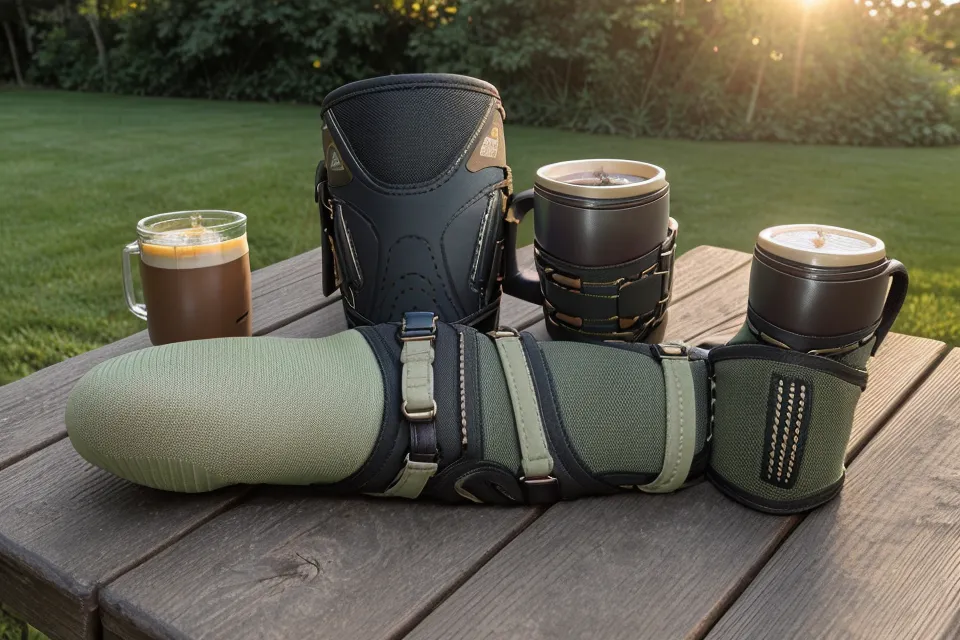
After enough trial and error, here's the non-professional checklist I actually use before buying knee gear now. Breathability comes first — if it smells like a locker room after one mile, it's going straight to the bottom of a drawer, so look for perforated neoprene or a knit fabric instead of solid rubber. Lateral support matters more than raw rigidity — flexible side stays do the job for most people, and you only need a full rigid hinge if you're dealing with a real, doctor-confirmed tear. And do the bunch test before you ever hit the trail: put the brace on, drop into ten deep squats, and if it pinches the skin behind your knee in the store, it's going to be unbearable three hours into a hike.
Getting older as a hiker seems to mostly be about managing the decline with a little dignity and the right equipment, not chasing the pace I used to keep. I've made peace with needing extra support, the same way I've made peace with my dog outpacing me on every uphill we do together. If stiff knees are keeping you off Cherry Creek Trail, or wherever your local loop is, don't grab the first sleeve you see at the drugstore — test a couple, run the bunch test, and pay attention to how you're sleeping and recovering, because sometimes the knee pain is just the loudest symptom of a body running on fumes.
If you want to see what I've been using to help take the edge off those "well, at your age" mornings, you can check out Protoflow here. It won't fix a rocky trail or replace a good brace, but it's been a solid piece of the recovery side of the equation for me. Stay moving, stay hydrated, and maybe toss a spare strap in your pack — see you out there.